
Choosing a general contractor is one of the biggest decisions you will make during a home project. The person or company you hire can affect the quality of the work, the schedule, the budget, and how smoothly problems are handled along the way.
A low estimate or polished sales pitch does not always tell the full story. Homeowners also need to look at experience, communication, written details, references, and the contractor’s approach to the project.
Floating Kingdom shares practical tips to help homeowners in Sanford, FL, compare contractors and make a more informed choice. Taking time to review your options at the beginning can lead to clearer expectations and fewer surprises once construction starts.
Define Your Home Project Before Calling Contractors
Start by writing down what you want to improve. You do not need to understand every technical detail, but you should have a basic idea of the work and the problem you want to solve.
Your plans may include:
- New residential construction
- Kitchen remodeling
- Bathroom remodeling
- Roof repair or replacement
- Flooring installation
- Interior or exterior painting
- Several connected home improvements
Be clear about your priorities. A kitchen may need more storage and counter space. A bathroom may have worn fixtures or a layout that feels crowded. A roof may show signs of damage after a storm.
It also helps to separate urgent needs from optional updates. A leaking roof may need attention before cosmetic changes. This makes budget discussions easier and helps contractors understand what matters most.
Clear goals also allow you to compare estimates more fairly. Each contractor should be pricing a similar scope instead of making different assumptions about the work.
Look for Experience Related to Your Project
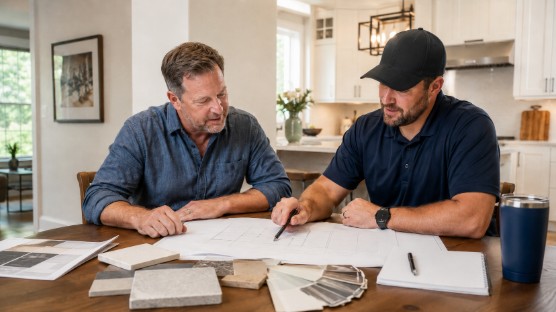
General construction experience matters, but experience with your type of project is even more useful.
A contractor who regularly handles kitchen renovations may understand the order in which cabinets, countertops, flooring, paint, and fixtures should be completed. New construction requires broader coordination across many stages. Roofing work comes with a different set of concerns.
Ask contractors about projects similar to yours:
- How long have you worked in construction?
- Have you completed a project of this type before?
- Which parts of the work will your team handle?
- How do you manage connected services?
- What problems often come up during this type of job?
The answers should be clear and specific. Vague statements about doing “all kinds of work” provide less value than real examples of similar projects.
Hands-on knowledge is also important. Homes can reveal hidden damage, uneven surfaces, old materials, or layout problems once work begins. A contractor with practical experience may be better prepared to explain the options and recommend a reasonable next step.
Pay Attention to Communication From the Start
The first few conversations can tell you a lot about how a contractor works.
Notice how clearly your questions are answered. The contractor should listen to your concerns, explain unfamiliar terms, and avoid rushing you into a decision. You should ask for more details when something is unclear.
Ask how communication will work during the project. Find out who will provide updates and who you should contact with questions.
Useful topics to discuss include:
- How often are progress updates provided
- Who manages the work each day
- How material decisions are handled
- How schedule changes are communicated
- How unexpected problems are discussed
Construction does not always follow a perfect timeline. Weather, material availability, hidden damage, and approved changes can affect the schedule. Clear communication makes these situations easier to understand and manage.
Request a Detailed Written Estimate
A good estimate should explain more than the total price. It should show what the contractor plans to do and what is included in the cost.
A written estimate may cover:
- The project scope
- Labor
- Materials or allowances
- Removal and preparation
- Installation work
- Cleanup
- Estimated timing
- Payment terms
- Items not included
Review each line carefully. Ask about terms, allowances, or charges that do not make sense to you.
A much lower estimate deserves closer attention. It may leave out important preparation, materials, cleanup, or finishing work. Those missing items can later appear as added costs.
The most expensive estimate isn’t necessarily the best choice either. Compare the work included, the contractor’s experience, and the level of detail provided.
The goal is to understand what you are paying for and why the estimates differ.
Read the Scope of Work Carefully
The scope of work is the written description of what the contractor will complete. It should match the discussions you had before receiving the estimate.
For a kitchen remodel, the scope may cover removal, cabinets, surfaces, flooring, paint, and fixtures. Roofing work may include damaged areas, removal of old materials, replacement, and cleanup.
Check that the main parts of your project are listed. Do not rely on verbal promises for important details.
The scope should also explain what is not included. This reduces the chance of confusion later.
Ask how changes are handled once the project begins. Hidden damage or unexpected conditions may require more work. You should understand how those changes will be explained, approved, and priced before they are completed.
Written change details protect both the homeowner and contractor. Everyone can refer to the same information instead of relying on memory.
Review Past Work and Speak With References
Photos of completed work can help you see the contractor’s experience and style. Try reviewing examples similar to your project.
References can tell you more about the process behind the finished work.
Consider asking past clients:
- Was the contractor easy to reach?
- Did the work match the written scope?
- Were changes explained clearly?
- Was the property treated with care?
- Did the final cost stay close to the estimate?
- Would you hire the contractor again?
No project is completely free from challenges. What matters is how the contractor responds when a problem comes up.
A former client who describes honest communication, reasonable decisions, and careful work can provide more useful insight than a short review with no details.
Check Credentials and Local Requirements
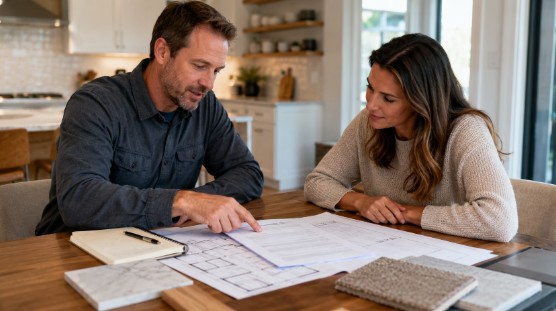
Some home projects require licenses, permits, inspections, or specific insurance coverage. Requirements depend on the type of work and local rules.
Ask the contractor which requirements apply to your project. Confirm that any required credentials are up to date.
Insurance is important because construction involves workers, tools, materials, and the potential for property damage. Request current proof instead of relying only on a verbal statement that coverage exists.
Permits may be required for new construction, structural changes, roofing, and other major work. Ask who will obtain them and how inspections will be scheduled.
A contractor should be able to explain these responsibilities in straightforward terms. Unclear or dismissive answers may be a sign to keep looking.
Compare Value, Not Only the Lowest Price
Budget is important, but price should not be your only deciding factor.
A higher estimate may include more preparation, better materials, added services, or a clearer project plan. A lower estimate may leave out work that will still need to be completed later.
Compare each contractor based on:
- Relevant experience
- Written project details
- Communication
- References
- Schedule
- Payment terms
- Understanding of your goals
- Overall professionalism
Think about the full experience. A contractor who listens, plans carefully, and provides clear updates may save you time and stress during the project.
You can also view our services to learn more about new construction, remodeling, roofing, flooring, and painting for residential properties. For more planning advice and practical homeowner tips, visit our blog before beginning your next project.
You should feel comfortable raising concerns throughout the hiring process. Homeowners should not feel pressured, ignored, or confused.
H2: Watch for General Contractor Warning Signs
Some problems can be spotted before you sign an agreement.
Be cautious when a contractor:
- Avoids putting details in writing
- Pressures you to make a quick decision
- Gives unclear answers about pricing
- Cannot explain the work process
- Requests unusual payment terms
- Will not provide references
- Promises an unrealistic completion date
- Dismisses your concerns
- Changes important details without documentation
One concern may have a reasonable explanation. Several warning signs together deserve closer attention.
A professional contractor understands that homeowners need time to review the project, compare estimates, and ask questions.
Ask the Right Questions Before Hiring
Prepare a short list of questions for each contractor before meeting.
Useful questions include:
- Who will manage my project?
- Which parts will your team complete?
- What is the expected schedule?
- How will updates be shared?
- How are changes approved?
- What could affect the price?
- What payment schedule do you use?
- Who handles cleanup?
- What do you need from me before work begins?
Specific answers make it easier to compare contractors. They also show how carefully each company has considered your project.
Frequently Asked Questions
How many contractor estimates should I collect?
Many homeowners compare two or three estimates. This provides a better view of pricing, scope, communication, and the different ways contractors may approach the work.
Should I hire the contractor with the lowest estimate?
Not automatically. Review what the estimate includes and compare the full scope. A lower price may leave out materials, preparation, cleanup, or related services.
What should be included in the agreement?
The agreement should include the work scope, cost, payment schedule, estimated timing, responsibilities, and process for approving changes. Important promises should appear in writing.
How early should I contact a general contractor?
Begin contacting contractors once you have a basic idea of the work. Starting early gives you time to compare options, review estimates, make selections, and prepare for scheduling.
Choose a General Contractor With Confidence
The right general contractor should understand your project, communicate clearly, and provide written details that are easy to review. Take time to compare experience, references, estimates, and the proposed scope before making your decision.
A thoughtful hiring process can help your home project get off to a clearer start and avoid surprises.
Discuss Your Home Project With Floating Kingdom
Floating Kingdom works with homeowners and real estate investors on new construction, remodeling, roofing, flooring, and painting projects in Sanford, FL, and nearby communities.
Bring your plans, questions, and priorities to a general contractor who will take time to understand the property and the work you want completed. Contact us to discuss your home project and the next steps.